Planting
- When to plant: Sow seeds directly outdoors after the last frost has passed and the soil has warmed up. For a continuous supply of blooms, succession plant seeds every 2–3 weeks until early summer.
- Sunlight: Plant zinnias in a location that receives at least 6 to 8 hours of full sun per day. This promotes the most prolific blooms and helps prevent diseases like powdery mildew.
- Soil: Zinnias prefer well-draining soil rich in organic matter. They are not particular about soil pH but do not like heavy, wet soil.
- Spacing: Follow the specific spacing directions on the seed packet, but generally, space plants 6 to 18 inches apart to ensure good air circulation.
Care
- Watering: Zinnias are somewhat drought-tolerant once established but perform best with moderate, consistent watering. Water the base of the plant to keep foliage dry and help prevent fungal diseases.
- Fertilizing: Lightly fertilize to maximize growth and blooms, especially if your soil is not particularly rich.
- Deadheading: Regularly removing spent flowers (deadheading) encourages the plant to produce more blooms throughout the season.
- Pest and disease prevention: Ensure good air circulation to help prevent fungal leaf diseases like powdery mildew.
Uses and benefits of zinnia
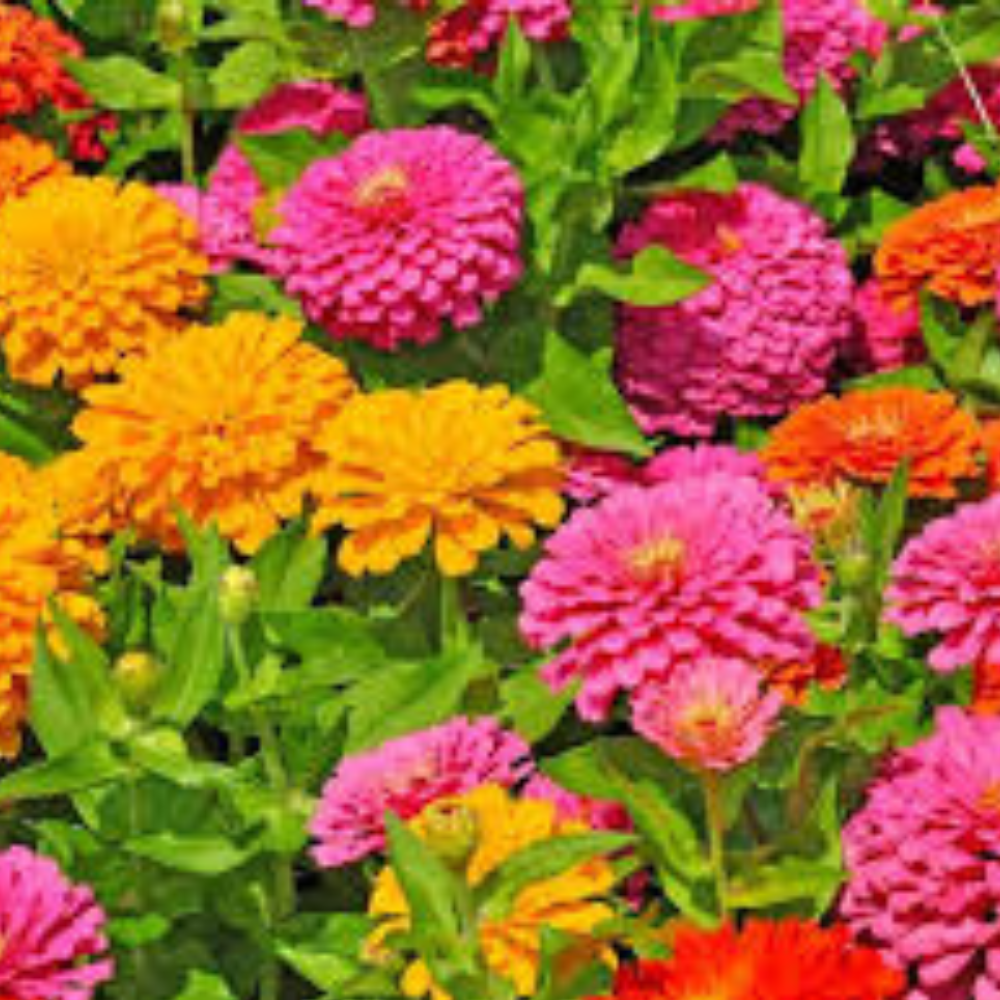
- Attracts pollinators: The vibrant, open-faced flowers of zinnias are excellent for attracting beneficial insects, particularly butterflies, bees, and hummingbirds.
- Cut flowers: Many zinnia varieties, especially the tall, large-flowered types, make fantastic, long-lasting cut flowers for bouquets and arrangements.
- Garden versatility: With varieties ranging from dwarf to giant, zinnias are perfect for borders, containers, mass plantings, and pollinator gardens.
- Drought resistance: Many zinnia varieties are known for their resilience and moderate drought tolerance, making them a sustainable choice for eco-conscious gardeners
Only logged in customers who have purchased this product may leave a review.






Reviews
There are no reviews yet.