How to grow and care for petunias
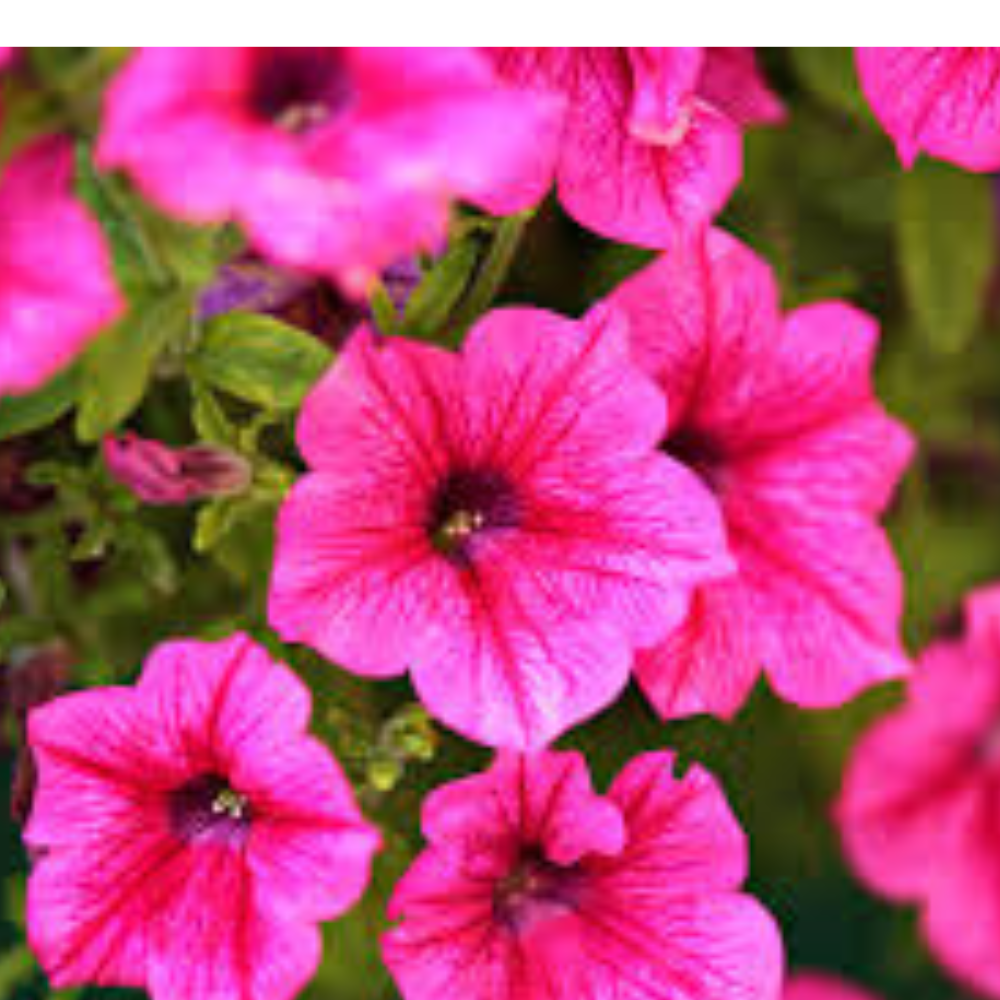
Petunias are relatively easy to grow and maintain with proper care.
- Sunlight: Petunias thrive in full sun and require at least 6 hours of direct sunlight daily for the best blooms. In hot climates, some afternoon shade can be beneficial.
- Soil: They prefer well-draining soil that is rich in organic matter. For container plants, a high-quality potting mix is ideal.
- Watering: Keep the soil consistently moist, but not soggy, especially for container plants which may need daily watering in hot weather. Allow the soil to dry out slightly between waterings.
- Fertilizing: Regular feeding is important to encourage abundant and continuous blooming. Apply a balanced liquid fertilizer every few weeks or use a slow-release formula at planting.
Safety and toxicity
Petunias are generally considered non-toxic to humans and pets, including dogs and cats. However, ingestion of large quantities may cause mild stomach upset. As with any garden plant, ensure that petunias intended for human consumption are not treated with pesticides.
Common problems
While relatively easy to care for, petunias can be susceptible to a few issues:
- Insect pests: Aphids, slugs, and snails can sometimes be a problem. Budworms can also cause issues by hollowing out flower buds.
- Fungal diseases: Overwatering or high humidity can lead to fungal diseases like root rot or botrytis blight. Proper watering techniques and good air circulation help prevent this.
- Leggy growth: Insufficient sunlight or over-fertilization can cause petunias to become long and spindly. The solution is to provide more light and prune the plant back.
Only logged in customers who have purchased this product may leave a review.






Reviews
There are no reviews yet.