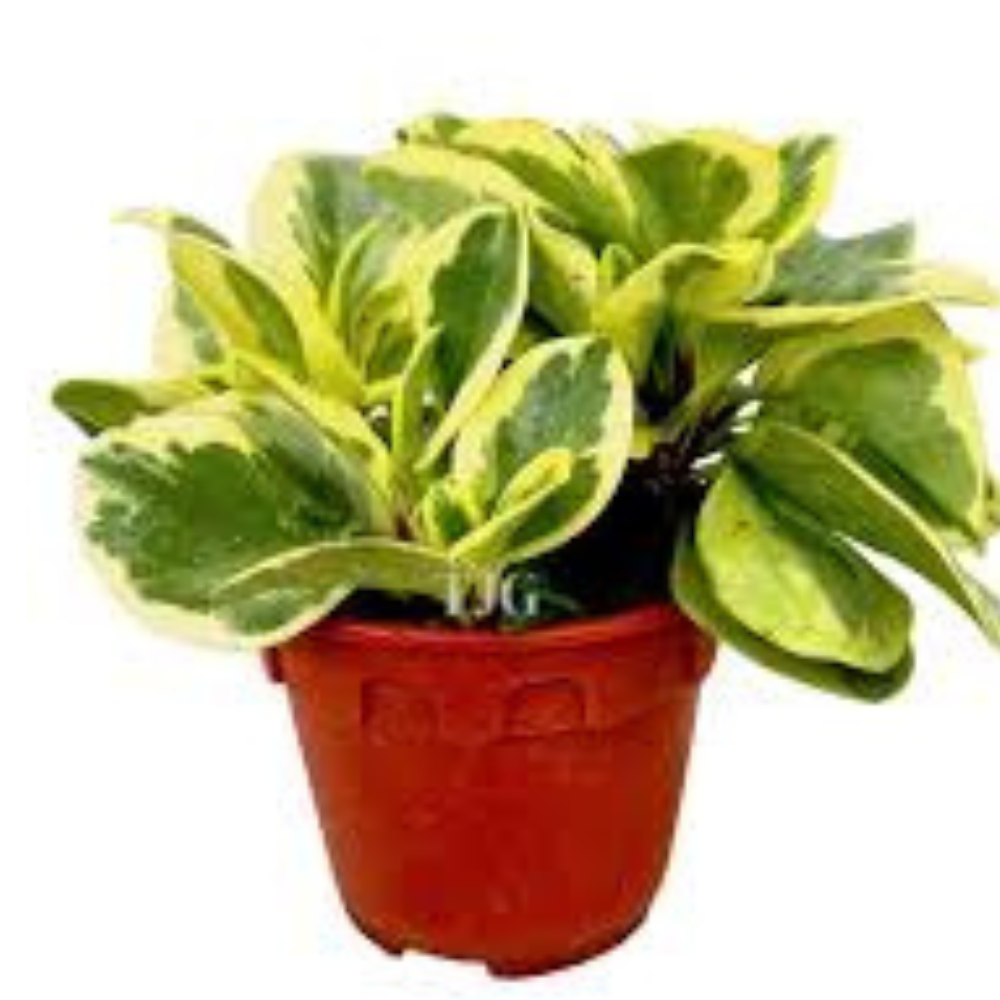
While care can vary slightly between species, most Peperomias share similar needs.
Light: Prefer bright, indirect light. Direct sun can scorch the leaves, while too little light can cause leggy growth and fading colors. An east- or west-facing window is ideal.
Water: Allow the top inch or two of soil to dry out between waterings. Overwatering is a common problem and can lead to root rot, so it’s safer to underwater than overwater.
Soil: Use a well-draining, aerated potting mix. A mixture of potting soil, coco peat, and perlite works well.
Fertilizer: Feed sparingly during the growing season (spring and summer) with a diluted, balanced houseplant fertilizer.
Repotting: As they are slow-growing, they do not need frequent repotting. They prefer to be slightly root-bound.
Toxicity
Peperomias are non-toxic to cats, dogs, and other common household pets, making them a safe choice for pet owners.
Common problems
Root rot: The most common issue, caused by overwatering and poor drainage.
Drooping leaves: A sign of overwatering or, occasionally, underwatering. Check the soil moisture before watering.
Fading colors: If your variegated Peperomia’s patterns are disappearing, it may need more light.
Pests: Watch for common houseplant pests like mealybugs, spider mites, and aphids
Weight
N/A
Dimensions
N/A
Variety
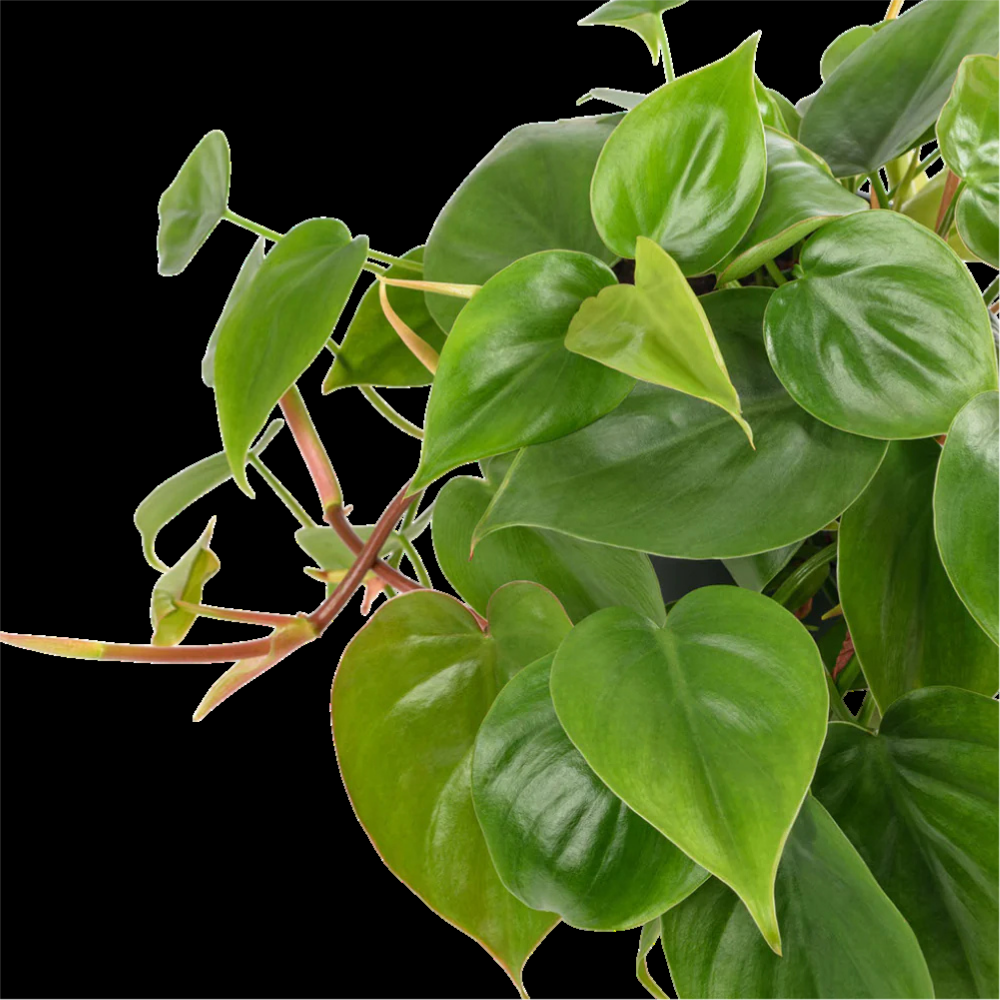
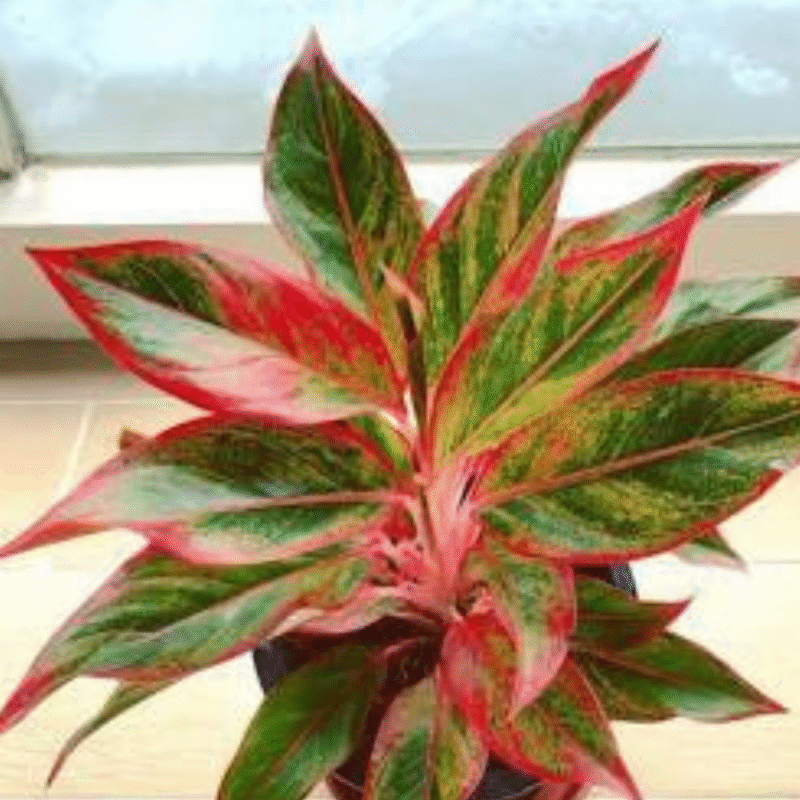
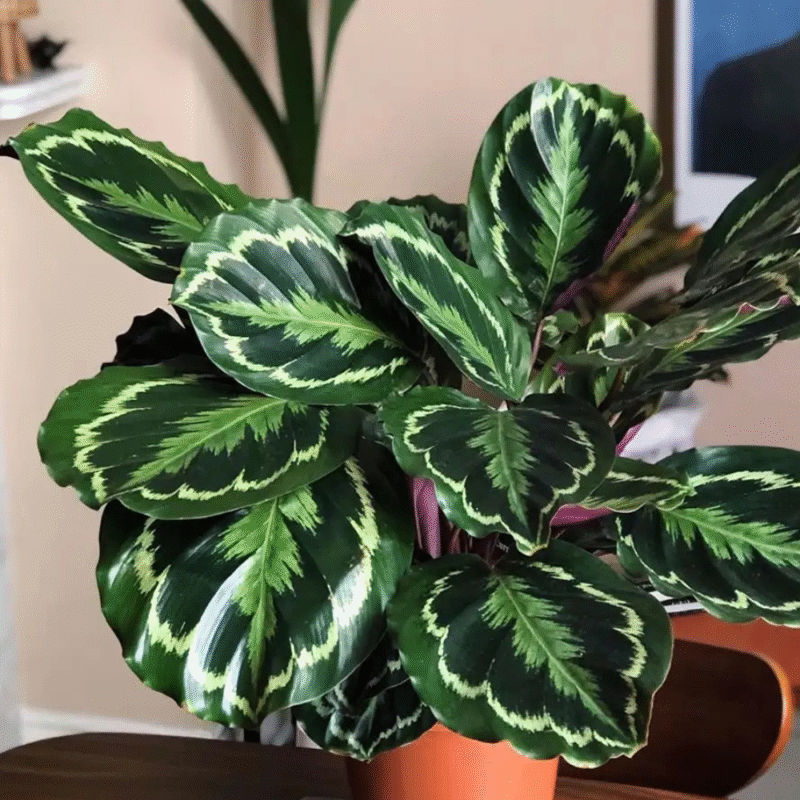
String of Turtle, Trailing Jade, Watermelon Peparomia, Red Peparomia, Peparomia Roso, Beetle Peparomia
Reviews
There are no reviews yet.
Only logged in customers who have purchased this product may leave a review.



Reviews
There are no reviews yet.