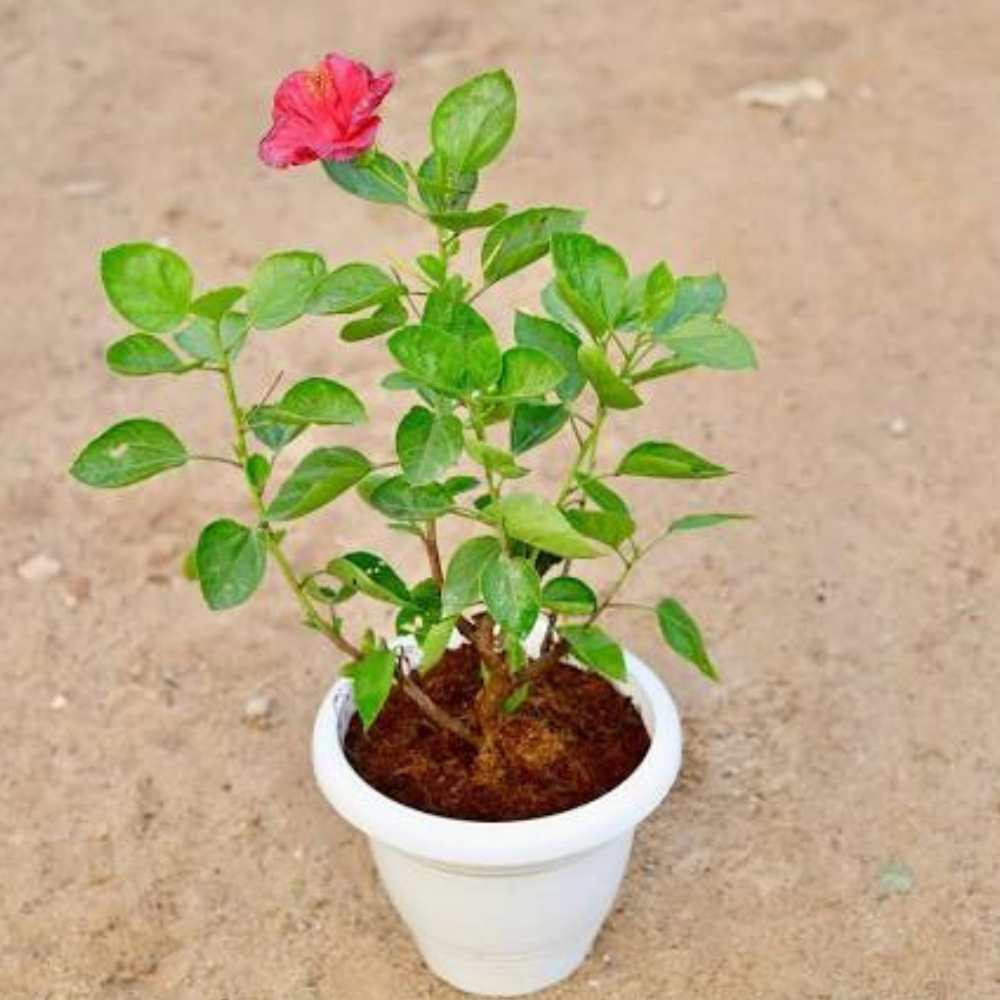
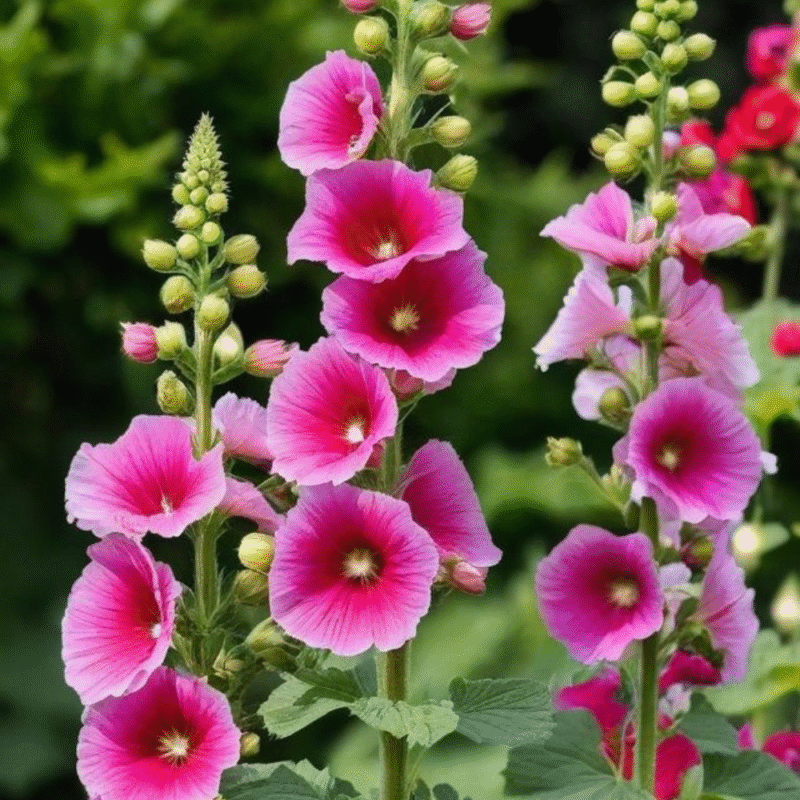
Appearance: Features glossy, evergreen foliage and large, showy flowers in a wide array of vibrant colors. Blooms occur from spring through fall and can last for only a day, but the plant constantly produces new buds.
Best for: Container gardens and houseplants in cooler climates, where they can be brought indoors during the winter. In USDA zones 9-12, they can be grown outdoors year-round as perennials.
Hibiscus care
The following care guidelines apply to most hibiscus plants, though tropical varieties will need to be brought inside during cold weather.
Sunlight: Provide at least six hours of direct sunlight per day to encourage flowering. In very hot climates, some afternoon shade is beneficial to prevent leaf scorching.
Water: Water regularly to keep the soil consistently moist, especially during the blooming season. Avoid overwatering, as this can cause yellowing leaves and root rot.
Soil: Use rich, fertile, and well-draining soil with a slightly acidic pH. For potted plants, ensure the container has proper drainage holes.
Fertilizer: Hibiscus are heavy feeders, especially potted varieties. Feed with a fertilizer high in potassium and low in phosphorus every 2-3 weeks during the growing season (spring through fall).
Pests: Watch for mealybugs, aphids, and spider mites. Treat with neem oil or insecticidal soap.
Toxicity
Pets: While the American Society for the Prevention of Cruelty to Animals (ASPCA) lists the rose of Sharon (Hibiscus syriacus) as non-toxic to dogs, cats, and horses, other varieties are considered mildly toxic, particularly to cats. Ingestion can cause gastrointestinal issues.
Humans: The flowers of some hibiscus species, such as roselle (Hibiscus sabdariffa), are used to make tea and are edible. However, exercise caution with unknown varieties and consult a medical professional if you have concerns about consuming any part of the plant.
Reviews
There are no reviews yet.
Only logged in customers who have purchased this product may leave a review.



Reviews
There are no reviews yet.